
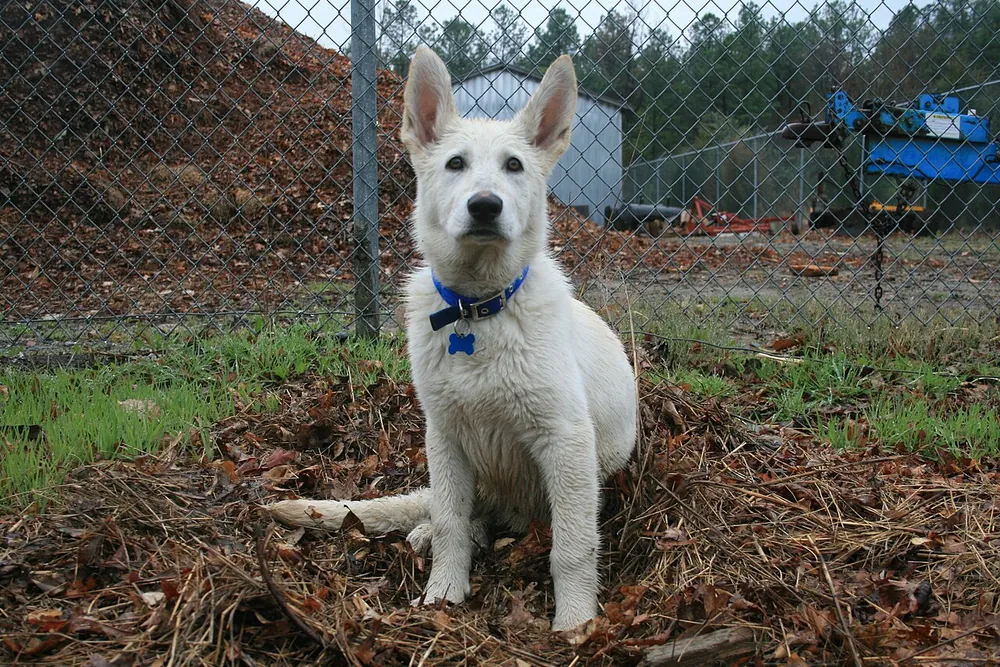
In autumn a walk often ends the same way: a wet dog, mud up to the belly and paw prints all the way to the kitchen. Care after a walk is not only about clean floors. Damp and mud irritate the skin of the paws, and a wet coat in the cold quickly chills small and short-haired dogs.
Paws
Wash the paws after a walk with warm water, not hot. For most dogs water without shampoo is enough: soap every day dries out the skin of the pads. Use shampoo only when the paws are covered in oil, fuel or very greasy mud.
Dry them thoroughly, especially between the toes. Moisture left in the fur between the pads is a common cause of redness and a bad smell.
Check the pads: cracks, cuts from glass, thorns and grass seeds stuck between them. Trim long fur between the toes level with the pads — shorter fur picks up less mud.
Coat and belly
After rain, blot the dog with a towel — press, do not rub: on long-haired dogs rubbing tangles the coat into mats. Always dry the belly and the inside of the legs, where the skin is thinner.
Use a hair dryer on warm, not hot, from a distance, and only if the dog is not afraid of it. Get it used to the dryer gradually.
Do not let a wet dog sleep on the cold floor by the door. The bed should be dry and out of any draught.
Clothing: who needs it
A raincoat helps short-haired dogs without an undercoat, small breeds and older dogs. It saves time on washing and drying. A large dog with a thick undercoat usually does not need clothing in the rain.
Ears
Dogs with floppy ears are more likely to have damp ears in autumn. Check them once a week: the inside should be pale and odour-free. If the dog shakes its head, scratches an ear, or there is a smell or discharge, take it to a vet rather than treating it yourself.
Shorter walks, more activities
In long spells of rain you can walk less, but the dog still needs exercise. Add activities at home: searching for food, puzzle toys, practising commands. A tired brain means a calm dog.
De-icers are coming soon
With the first frosts, pavements will be treated with de-icing chemicals. We explain how to protect paws from them in our article on winter and dog paws.