
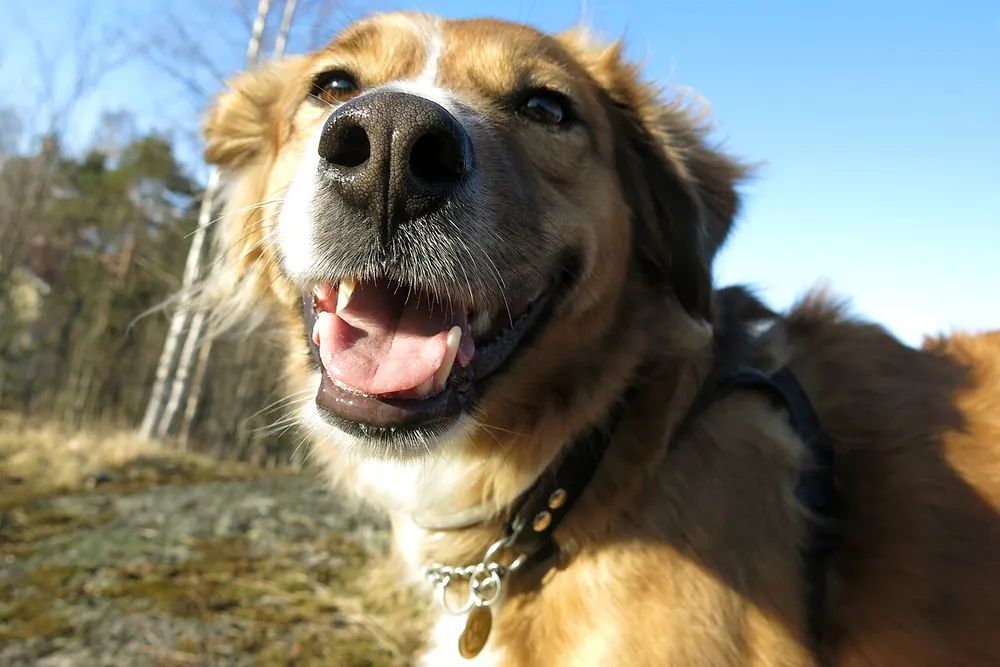
Shelter dogs are most often returned not because they are bad dogs but because expectations did not match real life. You took a puppy and it chews. You took a calm adult and it does not eat for three days and hides. Most of these stories can be prevented before the dog crosses your doorstep.
First, be honest with yourself
How many hours a day the dog will be alone. How much walking you are ready for — not on a weekend, but on a Wednesday at seven in the morning in February. Whether there are children, other animals, a rented flat with the landlord's rules. The answers decide which dog suits you more than breed or looks do.
What to ask at the shelter
The volunteers know the dog better than anyone, so ask specific questions. How it behaves with other dogs, cats, children and strangers. How it copes with a lead, a car, having its paws washed. How long it has been at the shelter and where it came from. Whether it has already lived in foster care or a home — and why it came back. What is known about its health: vaccinations, neutering, anything particular.
A good shelter answers directly, including about the downsides. If all you hear is "she is an angel", ask for more.
Meet before you decide
Visit more than once. Walk the dog, see it on the lead, in noise, around other people. If you already have a dog, introduce them on neutral ground, not in your flat.
Many shelters sign an agreement with the new owner and check on the dog later. This is not mistrust of you but protection for the dog.
Prepare your home in advance
A bed in a quiet corner, not in a walkway. Bowls, a lead and a harness that fits: frightened shelter dogs often slip out of a collar. Put away cables, shoes and anything you would hate to lose. An ID tag with your number goes on the collar on day one.
The first three weeks
Dog trainers repeat one rule: three days, three weeks, three months. In the first days the dog may barely eat, sleep a lot, hide — or follow you everywhere. Skip guests and trips. Give it a routine: walks and meals at the same times. Predictability calms a dog better than anything.
After three weeks the dog starts to show its character; after three months it feels at home. If something worries you — barking when alone, fear of the street, growling over the bowl — do not wait for it to pass on its own: see a dog trainer. At any sign of ill health, see a vet.
What to do in the first week
Take the dog to a vet, even if the shelter gave you certificates. Check whether it has a microchip and register the dog in your name: registration of dogs and cats is now mandatory in Kazakhstan. Create a pet profile in Mr. Petman — vaccinations, weight and reminders in one place, and a QR tag on the collar helps if the dog gets lost.